High-protein breakfast ideas can make mornings easier when they are built from familiar foods rather than powders, rigid targets or complicated recipes. Protein contributes to muscle maintenance and repair, while breakfast can also provide fibre, whole grains, fruit, vegetables and healthy fats.
There is no universal breakfast protein number. Needs vary with body size, age, activity, health, pregnancy and overall diet. People with kidney disease, allergies, gastrointestinal conditions or other medical needs should use individual advice from an accredited practising dietitian or clinician.
The Australian Dietary Guidelines encourage variety across vegetables, fruit, grain foods—mostly wholegrain—lean meats and alternatives, and dairy or alternatives. Use the ideas below as flexible combinations, not a prescription.
A simple breakfast formula
Build from three parts:
- Protein food: eggs, yoghurt, milk, fortified soy milk, cottage cheese, tofu, beans, lentils, nuts, seeds or leftover lean protein.
- High-fibre carbohydrate or produce: oats, wholegrain bread, fruit, vegetables or legumes.
- Flavour and healthy fat: nuts, seeds, avocado, herbs, olive oil or spices.
You do not need all three in perfect proportions every morning. The formula simply prevents “high protein” from meaning protein alone.
1. Greek yoghurt, berries and oats
Spoon plain Greek-style yoghurt into a bowl and add rolled oats, berries and chopped nuts or seeds. Prepare it the night before for a portable option.
Use an unsweetened fortified soy yoghurt if avoiding dairy and check the label for protein and calcium. Other plant yoghurts vary widely.
2. Eggs on wholegrain toast with tomato
Serve boiled, scrambled or poached eggs on wholegrain toast with sliced tomato or spinach. Add avocado for extra energy and texture.
Cook eggs until appropriate for your health and food-safety needs. Pregnant people and others at higher food-safety risk should follow local guidance.
3. Overnight oats with milk and chia
Combine rolled oats, milk or fortified soy milk, chia seeds and fruit. Refrigerate in a sealed container. Stir in yoghurt for more protein or use a spoon of nut butter.
Adjust the liquid in the morning. Overnight oats should stay refrigerated and be transported cold.
4. Tofu scramble wrap
Crumble firm tofu into a pan with olive oil, turmeric, pepper and vegetables such as spinach, mushrooms or capsicum. Wrap in a wholegrain tortilla.
Cook a larger batch and refrigerate promptly for several breakfasts. Reheat until steaming according to food-safety guidance.
5. Cottage cheese, fruit and seeds
Top cottage cheese with peaches, pear, berries or tomato and cucumber for a savoury version. Add pumpkin seeds or walnuts.
Choose a portion and sodium level that suit you. If cottage cheese is unfamiliar, mix it with yoghurt or spread it on toast.
6. Bean and egg breakfast bowl
Warm reduced-salt beans and serve with an egg, chopped tomato, spinach and a small wholegrain pita or leftover brown rice.
Beans add both protein and fibre. Rinse canned beans to reduce some sodium.
7. Peanut butter banana toast with milk
Spread natural peanut butter on wholegrain toast and top with banana. Pair with milk or fortified soy milk.
This is fast and portable. Use another seed or nut spread when allergies and school or workplace policies require it.
8. Savoury oats with egg and greens
Cook oats with water or milk, then stir in spinach and top with an egg, tofu or leftover chicken. Season with herbs, pepper or a small amount of cheese.
Savoury oats use the same whole grain in a less sweet format and work well with leftover vegetables.
9. Breakfast lentil bowl
Warm cooked lentils with tomatoes, mushrooms and spinach. Add yoghurt, feta, egg or tofu and serve with wholegrain toast.
This is a useful option when breakfast does not need to resemble cereal. Batch-cooked lentils can be frozen in small portions.
10. Smoothie with yoghurt, fruit and oats
Blend milk or fortified soy milk, plain yoghurt, fruit, rolled oats and nut or seed butter. Keep portions comfortable and include whole fruit rather than relying on juice.
Smoothies can be convenient, but drinking quickly may feel less satisfying for some people. Pair with toast or eat part of the fruit whole if that suits you.
11. Leftover dinner breakfast
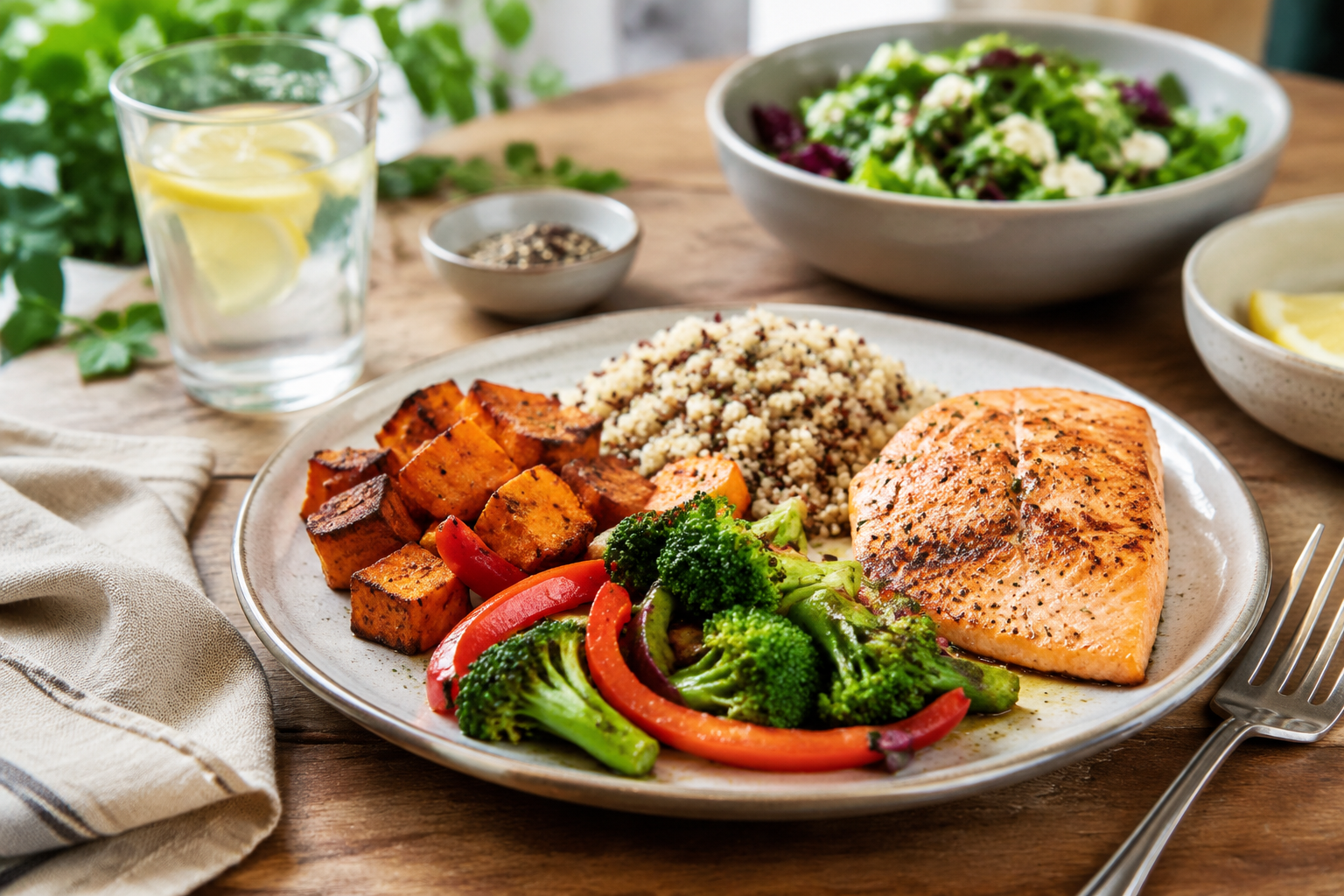
Use last night’s vegetables, whole grain and protein. A small bowl of rice, salmon and vegetables—or chicken, quinoa and salad—is a legitimate breakfast.
Cool leftovers promptly, refrigerate them safely and reheat as appropriate. Avoid repeated cycles of warming and cooling.
12. Make-ahead egg or tofu muffins
Mix eggs or crumbled tofu with chopped vegetables and bake in a muffin tin. Refrigerate or freeze individual portions. Serve with fruit and wholegrain toast.
These are useful for mornings when cooking is unrealistic. Label frozen portions with the date.
A five-day breakfast rotation
- Monday: Overnight oats with yoghurt and berries
- Tuesday: Eggs, wholegrain toast and tomato
- Wednesday: Tofu scramble wrap
- Thursday: Cottage cheese, fruit and seeds
- Friday: Peanut butter banana toast with milk
Repeat ingredients to reduce waste. Berries can be frozen, spinach can appear in eggs and tofu, and wholegrain bread can be frozen in slices.
Prep in 30 minutes
On a convenient day:
- Make two jars of overnight oats.
- Boil several eggs or bake egg/tofu muffins.
- Wash fruit.
- Portion nuts or seeds.
- Slice or freeze bread.
- Put one grab-and-go combination at eye level.
Do not prepare more than you can store and eat safely.
What about protein powder?
Powder can be convenient but is not required. Food provides protein alongside other nutrients and eating experiences. Supplements vary in quality and may contain allergens, sweeteners or ingredients unsuitable for sport or medical conditions.
If you use one, choose a reputable product, follow the serving guidance and avoid stacking multiple fortified products. Athletes subject to drug testing should consider certified products. Ask a dietitian if a supplement is necessary for your needs.
Balance across the day
A high-protein breakfast cannot compensate for a very restricted or unvaried diet. Include protein foods across meals, alongside vegetables, fruit and whole grains. The healthy eating for beginners guide explains the overall pattern.
For meal preparation, use the two-hour beginner meal prep system rather than cooking a different recipe every day.
Common questions
Do I have to eat breakfast?
No universal meal timing suits everyone. If you are not hungry, plan a later balanced meal. Children, pregnant people, athletes, people using some medicines and those with medical conditions may have specific needs.
Is more protein always better?
No. Protein is one part of a varied diet, and very high intakes may displace fibre-rich foods. Needs and safety vary.
Are eggs healthy?
Eggs are a nutrient-rich protein food for many people. Individual cardiovascular, allergy or medical advice may affect frequency and preparation.
How do vegans add protein?
Use tofu, tempeh, beans, lentils, fortified soy milk or yoghurt, nuts and seeds. Combine them with whole grains and produce. Check calcium, vitamin B12 and other nutrients with professional guidance when needed.
What if breakfast makes me nauseous?
Try a smaller portion, cooler foods or a later time. Persistent nausea, pregnancy-related concerns or medication effects deserve medical advice.
Read packaged-food labels with context
When comparing yoghurt, cereal, bread or plant milks, check the serving size first. Look at protein, fibre, added sugars, sodium and calcium where relevant. A product with the largest protein claim is not automatically the best overall choice.
Fortified soy milk generally provides more protein than many almond, oat or coconut drinks, but formulations vary. Choose unsweetened options when they suit you and confirm allergens. Marketing words such as “fitness,” “keto” or “high performance” do not replace the nutrition information panel.
Breakfast for early exercise
Tolerance matters. Before a short, easy session, some people prefer only fluids or a small snack. Before longer or harder training, carbohydrate alongside some protein may support comfort and performance. Examples include banana with yoghurt, toast with nut butter or oats with milk.
After exercise, use one of the complete breakfasts rather than trying to time a perfect shake. Athletes with high workloads or competition goals may benefit from sports-dietitian guidance.
Build a workplace emergency breakfast
Keep shelf-stable options such as wholegrain crackers, individual nut or seed spread, canned beans, UHT milk or fortified soy milk and fruit that travels well. Add refrigerated yoghurt or boiled eggs when cold storage is reliable.
This backup reduces reliance on vending choices without requiring you to prepare perfectly every night. Rotate supplies and check dates.
Three mix-and-match flavour sets
- Berry and cinnamon: oats, yoghurt, berries, chia and walnuts.
- Tomato and herb: eggs or tofu, wholegrain toast, tomato, spinach and herbs.
- Apple and peanut: cottage cheese or yoghurt, apple, oats, peanut butter and cinnamon.
Use the same base ingredients in different textures to create variety without a longer shopping list.
The bottom line
High-protein breakfast ideas work best when they are also balanced and practical. Choose a protein food, add a fibre-rich carbohydrate or produce and use ingredients you can repeat across the week.
A simple breakfast you reliably eat is more useful than an optimised recipe that does not fit your morning.