Functional Nutrition Tips 2026: Practical Food Habits That Fit Real Life
Functional nutrition tips 2026 should make eating easier, not turn every meal into a project. Functional eating means choosing foods and routines that help you meet everyday needs: steady energy, satisfying meals, enough protein and fibre, practical preparation and food you actually enjoy.
There is no universal “perfect” diet. Medical conditions, culture, budget, appetite, medicines and cooking access matter. Start with one useful change rather than rebuilding every meal.
Build meals around a simple pattern
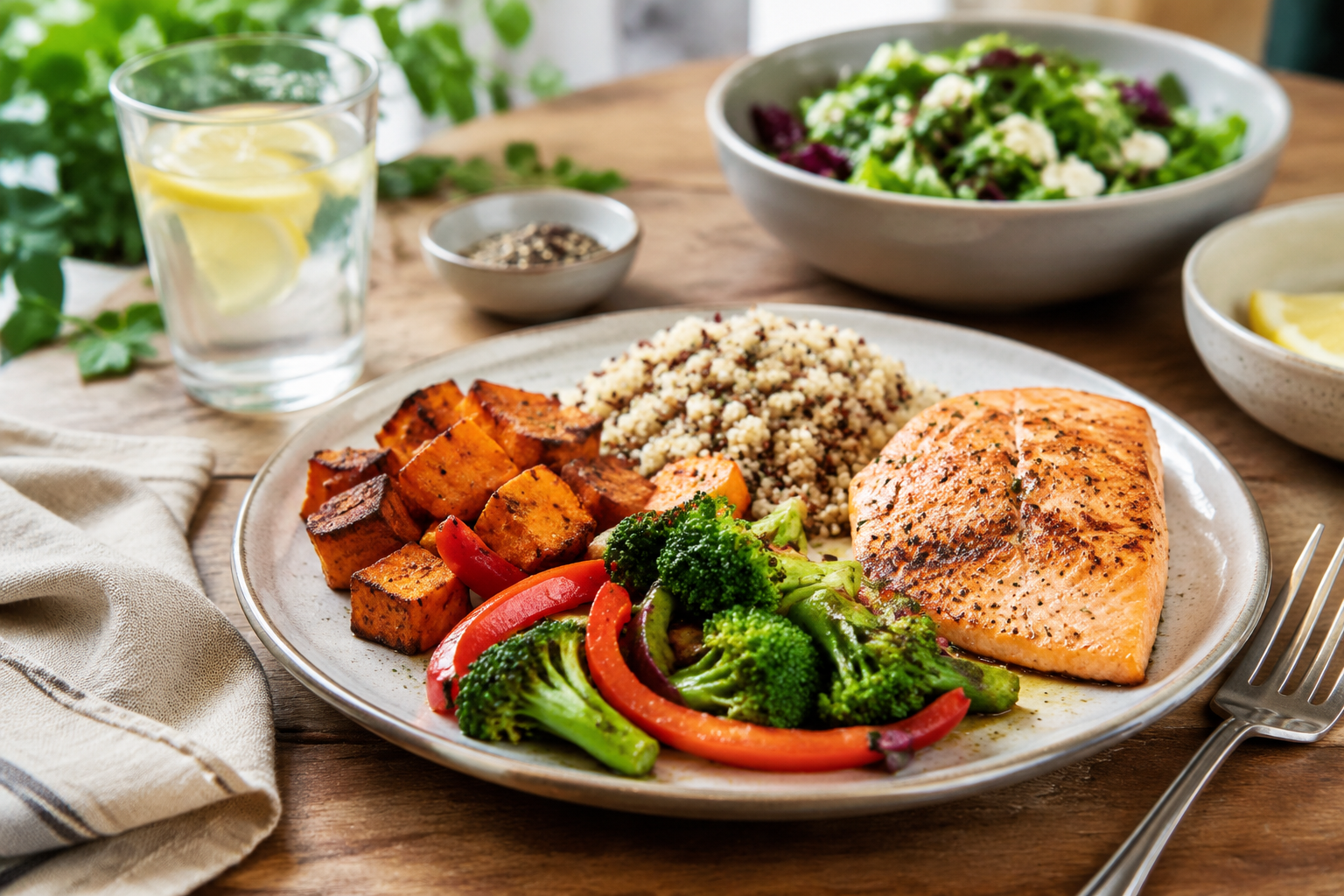
Most meals are easier to balance when they include a protein food, vegetables or fruit, a carbohydrate food and a source of flavour or healthy fat. Examples include eggs on wholegrain toast with tomatoes; lentils, vegetables and rice; or fish with potatoes and greens. You do not need to eat every food group perfectly at every meal.
Five functional nutrition tips
1. Make protein visible
Include a protein food at meals: yoghurt, eggs, beans, tofu, fish, poultry, lean meat, nuts or seeds as suitable. Needs vary, especially with kidney disease or poor appetite, so seek individual advice when required.
2. Add fibre gradually
Vegetables, fruit, legumes, whole grains, nuts and seeds can support a fibre-rich pattern — see the Eat for Health (Australian Dietary Guidelines) for national recommendations. Increase gradually and drink fluids according to your health needs to avoid discomfort.
3. Plan ingredients, not perfect menus
Keep flexible basics ready: frozen vegetables, tinned beans or fish, eggs, whole grains and a few easy sauces or herbs. This makes a meal possible even on a busy day.
4. Use regular meals as an energy tool
Long gaps can lead to intense hunger and less satisfying choices. A regular meal pattern may be more helpful than strict food rules.
5. Check trends, not single meals
One takeaway, dessert or missed vegetable is not a nutrition failure. Look at the week: are meals varied, filling and manageable?
Nutrition and movement
Food supports activity, but exercise does not need to be “earned” with restrictive eating. Eat regularly around training, especially when you are building strength or returning after inactivity. Hydration advice should be individual for people with heart or kidney conditions.
Related guidance: Healthy Ageing Exercise Guide, Yoga for Beginners, Qigong Flow Exercises, Gentle Yoga for Seniors, and Healthy Eating for Beginners.
When to seek individual help
See a doctor or dietitian for unplanned weight loss, swallowing problems, ongoing digestive symptoms, food insecurity, eating-disorder concerns, diabetes management, kidney disease or a medically prescribed diet.
Bottom line
Functional nutrition is flexible nutrition. Choose a few repeatable meals, add variety over time and build a pattern that works on ordinary weeks.
Continue with these guides
- Healthy Habits Guide
- Healthy Snacks for Work: 20 Ideas That Travel Well
- Nutrition tips for remote workers
- Exercise for Healthy Ageing: A Weekly Plan for Adults 60+
A note on this post: I’m Ben Shannon, the person behind Healthful Harbor. I’m not a doctor, dietitian, physiotherapist, psychologist or any other kind of clinician. I’m a regular person who reads research, tries things, and writes about what’s worked for me. Everything on this site is general educational information, not individual medical, nutrition or mental-health advice. For your own situation, please talk with a qualified professional who knows your circumstances. See the Health Information Disclaimer for the full picture.